Plenty of men with prominent ears share the same memory: a very short cut on the sides, and a mirror suddenly showing two ears front and center. It doesn't have to be that way. A haircut doesn't change your ears, but it changes where people look. Here's how to choose it.
See a cut on my face in 15 seconds
1st simulation free · no signup
Why some cuts make ears stand out
The eye compares volumes. When the sides of the head are shaved, the ears become the widest part of your silhouette from the front. Three things make it worse:
- A very high fade or skin fade that exposes the skin all around the ear.
- A sharp, wide-cleared line around the ear that frames its shape.
- A very short top that gives no volume to rebalance the head.
Three levers that rebalance
- Height on top: a bit of volume lengthens the head and reduces how wide the ears look in comparison.
- Sides that aren't too short: keeping a shadow of hair above the ear avoids the bare-skin effect.
- A fade that starts low: it cleans up the neckline and temples without exposing the whole area around the ear.
Cuts that work
The taper fade
A taper only gets really short at the neckline and sideburns, where it barely shows. Above the ear, the hair keeps some length, so the look stays sharp without exposing the ear. It's the best compromise if you want to stay short.
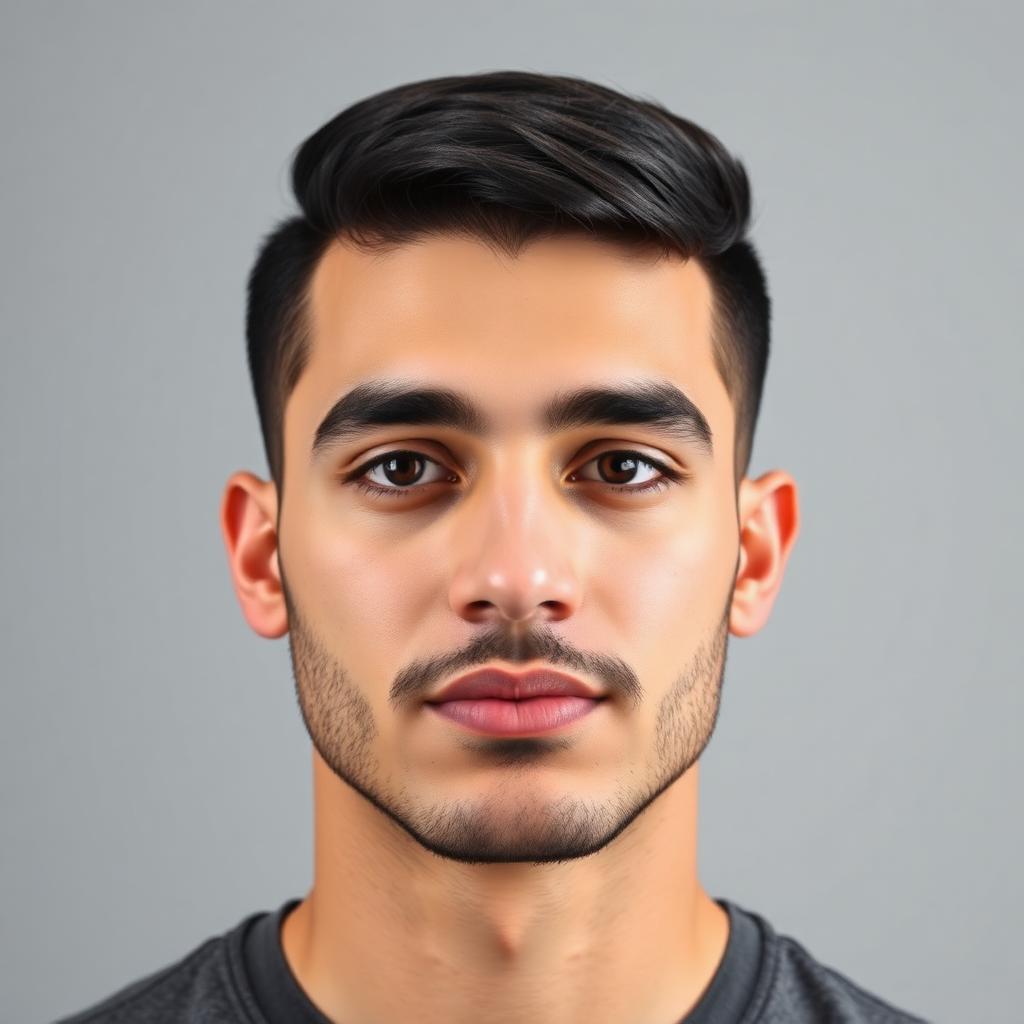
The taper fade, on your face?
One selfie, 15 seconds · 1st simulation free
A low fade with volume on top
A low fade paired with a quiff or a textured crop. The eye travels up to the top, and the sides stay full enough at ear level.
Medium-length cuts
A messy medium cut, a textured fringe, a modern mullet: once the hair goes past the top of the ear and falls forward or sideways, it partly covers it. It's the most effective way to hide prominent ears, as long as you accept a bit of upkeep.
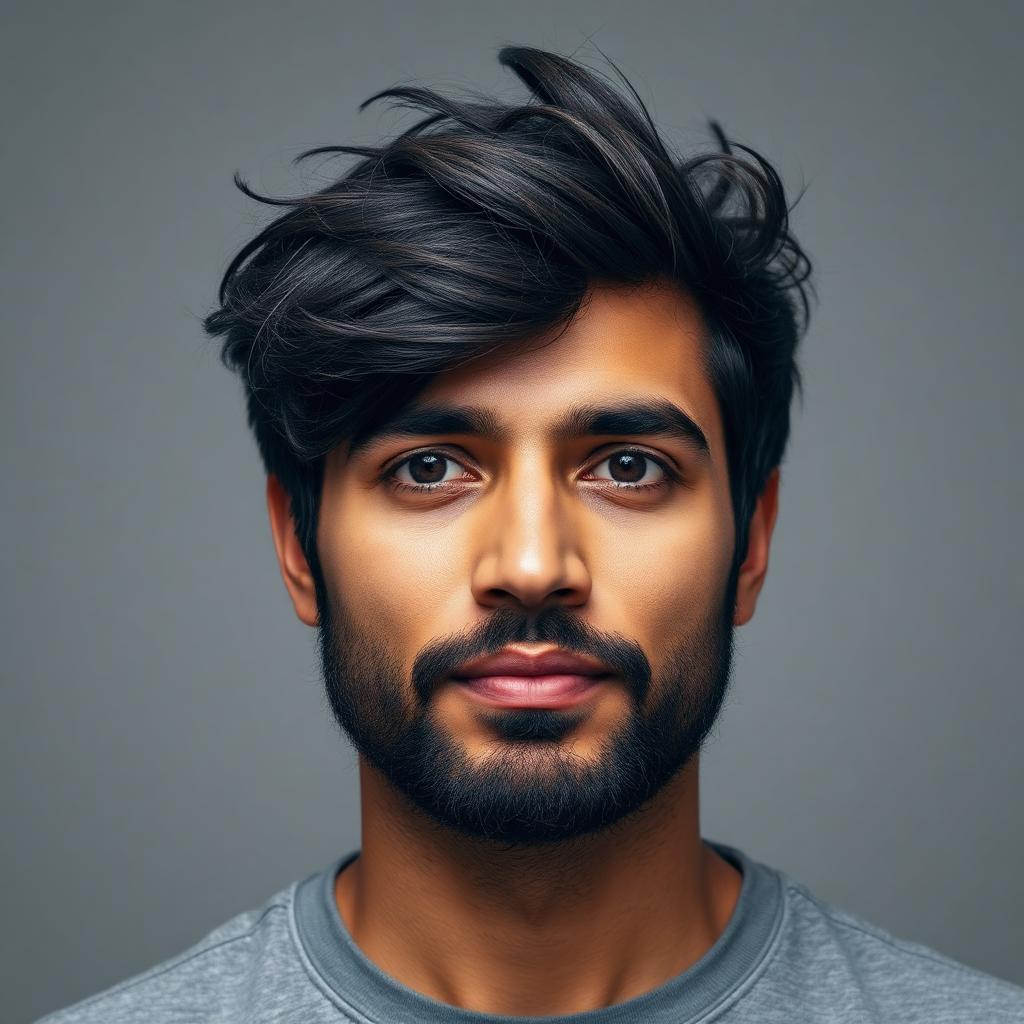
A messy medium cut, would it suit you?
One selfie, 15 seconds · 1st simulation free
Own it: the buzz cut
It sounds counterintuitive, but an even buzz cut with no contrast between top and sides works on some faces. The whole head becomes uniform and the ears are no longer framed. With a beard, it looks confident. It's worth testing in a simulation before you commit.
Cuts to avoid (or test first)
- High skin fade and high and tight: they expose the whole area around the ears.
- A high-contrast undercut: the hard line between shaved sides and a long top frames the ears.
- A flat slick back: it removes volume on top and pulls the eye to the sides.
The role of the beard
A short, full beard widens the lower face. The ears are no longer the only width in view, so the silhouette balances from top to bottom. Often, stubble alone is enough to change how your face reads.
What to tell your barber
- "I want to keep some length above my ears."
- "A low fade, not above the temple."
- "A natural line around the ear, not cleared too wide."
- Most of all: show them a picture of the result you want, on your own face.
Test before you cut
The only way to know whether a taper, a medium cut or a buzz cut suits you is to see it on your own head. With BARBERme, one selfie is enough: pick a cut and the AI applies it to your face in seconds. The 180° mode also shows your profiles, where ears show the most.
See these cuts on my face
1st simulation free · no signup
Which cut suits you?
1st simulation free · no signup